
What Should Parents Expect From Their Child’s First Few Months of Piano Lessons?

Enrolling your child in piano lessons is an exciting milestone, but it can also bring up several questions. How quickly will they learn a song? How much should they practice? What if they struggle with reading music or using both hands?

The beginning of a child’s piano journey is not about becoming an expert overnight. It is about becoming familiar with the instrument, developing foundational skills, and building confidence through small, consistent steps. Some children may progress quickly in one area while needing more time in another, and that is completely normal.
For parents, understanding what to expect during this stage can make the learning experience more enjoyable and help prevent unnecessary pressure.
Building a Comfortable Foundation
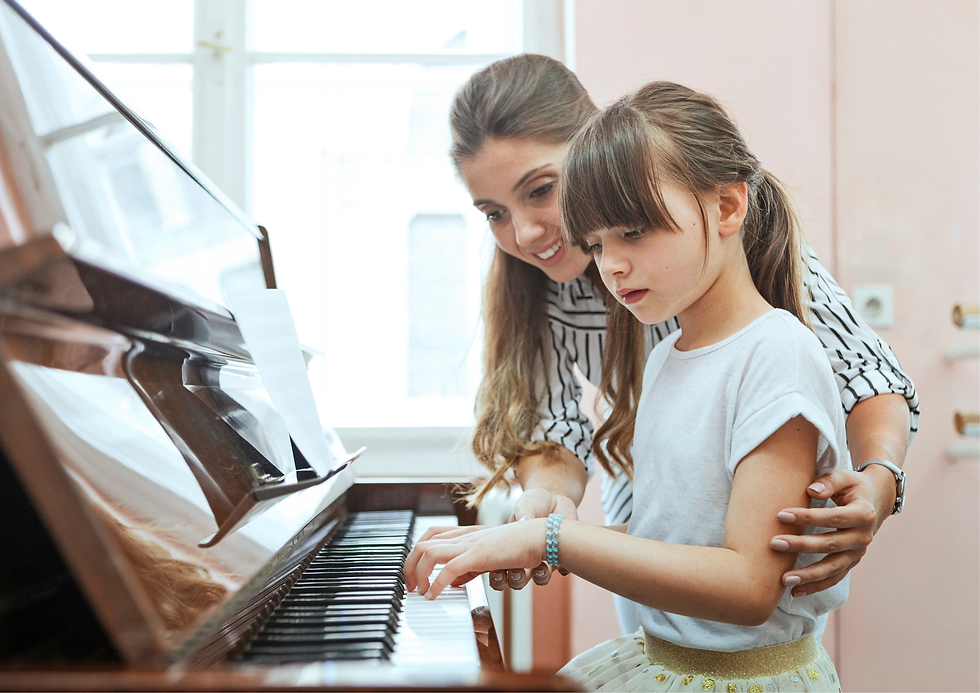
During the first few lessons, children begin learning how the piano works and how to interact with the instrument. Depending on their age and experience, lessons may introduce:
The layout of the keyboard
Finger numbers and hand position
Basic notes and musical symbols
Rhythm and counting
Simple melodies and patterns
Listening and responding to musical sounds
Proper playing habits
Younger children may learn through games, movement, and creative activities, while older beginners may work more directly with written music and structured exercises.
These early skills may seem basic, but they are important building blocks. A child who learns how to recognize notes, keep a steady rhythm, and position their hands comfortably is preparing for more advanced playing in the future.
Learning to Read and Understand Music
One of the major parts of beginning piano instruction is learning how written music connects to the keyboard. Students may start by recognizing a few notes, understanding simple rhythms, and identifying patterns on the page.
Reading music is a skill that develops gradually. Children may need repeated exposure before recognizing notes becomes comfortable and automatic. Parents should not be concerned if their child needs time to remember musical symbols or locate notes on the keyboard.
The goal is to help students understand what they are playing instead of relying only on memorization. Over time, this can help them become more independent and confident when learning new pieces.
Should Your Child Be Playing Full Songs?
Some children may play a short song or melody during their first few lessons, while others may spend more time working on exercises, patterns, and individual musical skills.
A complete song requires several abilities to work together. Students need to coordinate their fingers, read or remember notes, maintain rhythm, and understand how the piece is structured. These skills do not always develop at the same speed.
A child playing a short melody accurately may be making just as much progress as a child working on a longer piece. During the early stage, the quality of learning matters more than how difficult the song appears.
Parents can help by celebrating what their child is learning rather than focusing only on how many songs they can play.
Understanding Practice Expectations
Practice is an important part of learning piano, but it should be appropriate for the child’s age, attention span, and current abilities. Beginners often benefit more from short, consistent practice sessions than from trying to practice for a long period once a week.
Early practice may include:
Reviewing notes and finger numbers
Repeating a short musical pattern
Practicing a small section of a song
Clapping or counting rhythms
Reviewing concepts from the lesson
Playing a familiar piece for enjoyment
Parents can support practice by creating a regular routine and keeping expectations manageable. Practice does not need to feel like a test. The goal is to help children become comfortable reviewing what they learned and gradually develop independence.
Families can explore programs designed to support different stages of musical development when choosing a lesson structure that fits their child’s age and learning needs.
How Parents Can Support Their Child
Parents do not need to be experienced musicians to make a positive difference in their child’s piano journey. Encouragement, patience, and interest can be more helpful than correcting every mistake.
Celebrate Small Improvements
Pay attention to small accomplishments. Your child may remember a new note, play a rhythm correctly, use better finger placement, or complete a section they previously found difficult.
Recognizing these moments helps children understand that progress happens gradually.
Avoid Comparisons
Every child learns differently. Comparing your child to a sibling, classmate, or friend can create pressure and make lessons feel like a competition.
Instead, encourage your child to notice their own improvement over time.
Show Interest in Their Lessons
Ask simple questions such as:
What did you learn today?
What was your favorite part of the lesson?
Did you learn a new song or rhythm?
Can you show me something you remember?
These questions communicate interest without making your child feel like they need to perform perfectly.
Keep Practice Encouraging
If your child becomes frustrated, suggest taking a short break or practicing a smaller section. Avoid turning practice into an argument. If frustration continues, speak with the teacher about adjusting the assignment or practice approach.
Parents looking for age-appropriate piano instruction for young learners can explore programs that adapt activities and expectations to a child’s developmental stage.
What Should Parents Expect From Their Child’s First Few Months of Piano Lessons?
Parents should expect the first months of piano lessons to focus on building familiarity, confidence, and essential musical skills rather than immediate mastery.
Children may begin learning simple melodies, but they will also spend time developing rhythm, note recognition, coordination, listening, and basic technique. These skills may not always seem impressive at first, but they create the foundation for future progress.
The early months are also an opportunity for teachers to understand how each student learns best. Some children respond well to repetition, while others benefit from visual examples, movement, listening activities, or creative exercises.
For students who need a more individualized approach, piano instruction tailored to a student’s pace and abilities can provide support that matches their learning style and goals.
Frequently Asked Questions
Q: How long does it take for a child to play a piano song?
A: The timeline depends on the child’s age, experience, practice routine, and the difficulty of the song. Some children may learn a simple melody quickly, while others need more time to build foundational skills.
Q: How often should a beginner practice piano?
A: Beginners generally benefit from short, consistent practice sessions that fit their age and attention span. The teacher can recommend a realistic practice routine based on the child’s current assignments.
Q: Is it normal for my child to make mistakes during lessons?
A: Yes. Mistakes are a natural part of learning. They help students understand what needs more practice and give teachers opportunities to adjust instruction.
Q: How can I tell if my child is making progress?
A: Look for improvements in rhythm, note recognition, coordination, listening, confidence, and independence. Progress is not measured only by the number of songs a child can play.
Final Thoughts
What Should Parents Expect From Their Child’s First Few Months of Piano Lessons? The first months of piano lessons are a time for exploration, skill-building, and growing confidence. Children may progress at different speeds, but every new skill contributes to their musical development.
With patient instruction, realistic expectations, and encouragement at home, piano lessons can become a positive and rewarding part of your child’s routine.
Ready to begin your child’s piano journey? Book a Trial Lesson with Crystal’s Music and discover how piano instruction can support your child’s growth and enjoyment of music.
Crystal's Music Philosophy
At Crystal's Music, we believe every child deserves high-quality music education in a welcoming and encouraging environment.
Our programs are designed to help students build confidence, creativity, discipline, and a lifelong appreciation for music through:
Group piano classes for children under age 6
Private piano lessons for students age 6 and older
Student recitals
Piano exam preparation
Experienced instructors
Age-appropriate curriculum
We focus on creating lasting value by helping students enjoy learning while steadily developing their musical skills.
Ready to Learn More?
If you're exploring piano lessons in Cedar Park, we'd love to help you find the right program for your child.
Contact Crystal's Music to schedule a trial lesson and discover which class best fits your child's age, experience, and goals.
If you're ready to learn more, we'd love to help you find the right program for your child.


Comments