
How Piano Lessons Help Kids Become More Independent Learners

Piano lessons can help children become more independent learners by teaching them how to listen, make decisions, solve problems, and take responsibility for their own progress. While a piano teacher provides guidance and instruction, students gradually learn how to approach challenges and work through them on their own.
These skills can extend beyond the piano. As children become more comfortable making choices and managing parts of their learning, they can begin to approach other activities with greater independence as well.
Learning to Follow Instructions Independently

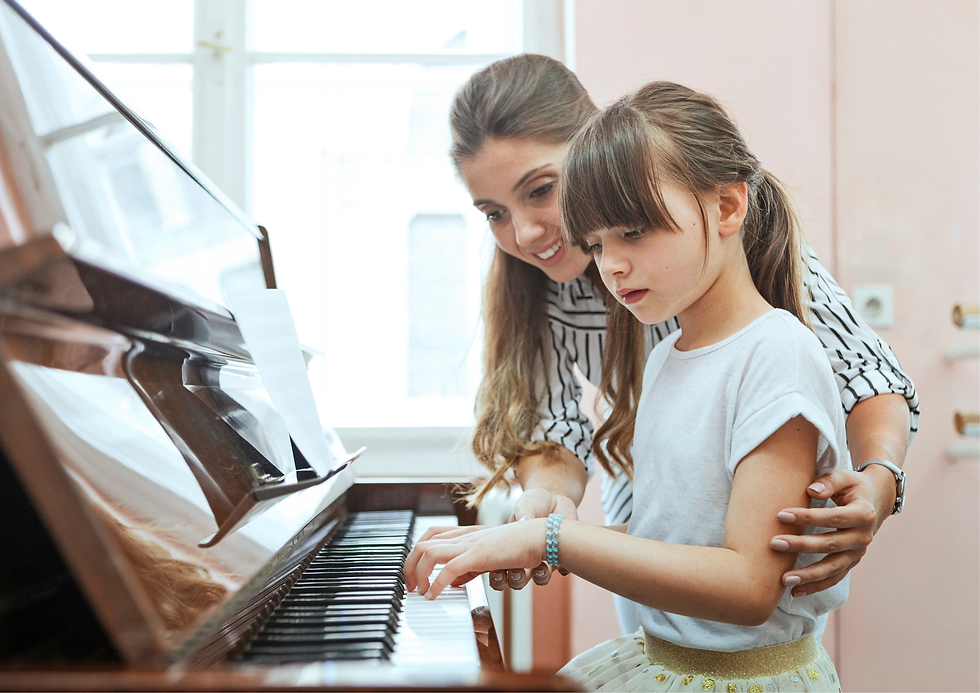
When children first begin piano lessons, they often need plenty of guidance. A teacher may demonstrate how to play a passage, explain a musical concept, or show a student how to approach a new piece.
Over time, students begin remembering these instructions on their own. They learn to recognize what they are supposed to work on and what steps they can take when something feels difficult.
This gradual shift from being guided to taking initiative is an important part of learning piano.
Making Small Decisions at the Piano
Piano playing involves many decisions. Students may need to decide where to begin practicing, which section needs more attention, or how to approach a particular musical passage.
Even young beginners can start making small choices with their teacher's guidance.
For example, a student might decide which section of a piece they want to work on first or recognize when they need to slow down. These decisions may seem small, but they help children become more comfortable thinking through a task instead of always waiting for someone to tell them what to do.
Developing Problem-Solving Skills
Learning piano does not always mean immediately knowing how to play something correctly. Children encounter unfamiliar notes, rhythms, hand positions, and musical patterns.
Instead of simply giving them the answer, a teacher can guide students toward finding solutions.
A child might learn to:
Look at the music more carefully
Break a difficult passage into smaller sections
Try a slower tempo
Identify where an error is happening
Repeat a specific section instead of starting over every time
These approaches teach children that difficult tasks can be approached step by step.
Becoming More Responsible for Their Learning
As students grow, they can gradually take more responsibility for what happens between piano lessons. They begin remembering assignments, keeping track of their materials, and understanding what they need to accomplish before their next lesson.
This does not happen overnight. Independence develops gradually, and younger children will naturally need more support from parents and teachers.
Programs designed to support different stages of musical development can give students opportunities to build these skills as they grow.
Learning to Listen to Their Own Playing
Independence also means learning to evaluate your own work.
During piano lessons, students can learn to listen carefully to their playing and notice when something sounds different from what they intended. They may begin recognizing whether they are playing too quickly, missing a note, or struggling with a particular rhythm.
This type of listening encourages children to become more aware of their own learning.
Instead of always depending on a teacher to point out every detail, students can gradually begin identifying areas they want to improve.
Taking Ownership of Progress
Every child develops at a different pace. Some students may quickly learn certain concepts while needing more time with others.
Piano lessons can help children understand that progress is something they participate in rather than something that simply happens to them.
A student who notices that a difficult section has become easier after working on it may begin to understand the connection between effort, attention, and improvement.
That realization can encourage children to take greater ownership of their learning.
How Teachers Encourage Independence Without Leaving Students on Their Own
Helping children become independent learners does not mean expecting them to figure everything out without help.
A supportive piano teacher provides structure while gradually giving students more responsibility. The amount of guidance can change depending on the child's age, experience, personality, and current skills.
For younger children, this might mean giving clear instructions and helping them understand what to do next. As students become more experienced, teachers can ask questions that encourage them to think through musical problems themselves.
For families looking for individualized piano instruction that follows a student's pace and abilities, private lessons can provide an opportunity for instruction to adjust as a child's independence develops.
How Parents Can Support Independent Learning
Parents can encourage independence without taking over the learning process.
Instead of immediately solving a problem for their child, parents can ask questions such as:
“What do you think you should try first?”
“Which part feels difficult?”
“What did your teacher ask you to work on?”
“What do you notice when you play that section?”
These questions encourage children to think about their own learning.
Parents can also help by providing a consistent environment for piano and allowing their child to take increasing responsibility for their materials and routine.
How Piano Lessons Help Kids Become More Independent Learners
How Piano Lessons Help Kids Become More Independent Learners is ultimately about giving children opportunities to think, make choices, solve problems, and take responsibility for their progress.
A piano teacher provides the guidance and structure students need, but the goal is not for children to depend on their teacher forever. As they gain experience, they can begin to understand how to approach challenges and make decisions for themselves.
Those habits can become valuable well beyond the piano.
Frequently Asked Questions
Q: At what age can children start becoming independent piano learners?
A: Independence can begin at any age, but the amount of responsibility should match the child's development. Younger children may need more hands-on support, while older students can gradually manage more of their learning.
Q: Does becoming an independent learner mean my child no longer needs a teacher?
A: No. A teacher continues to provide instruction, feedback, structure, and new challenges. Independence means that students gradually become more active participants in their own learning.
Q: How can parents encourage independence during piano practice?
A: Parents can provide a consistent routine, help children understand their assignments, and ask questions instead of immediately solving every problem for them. The goal is to support rather than take over.
Q: Why is problem-solving important in piano lessons?
A: Students regularly encounter musical challenges that require them to think carefully about what to try next. Learning how to approach those challenges can help children become more comfortable solving problems independently.
Q: Can independent learning skills help children outside of piano?
A: Yes. Learning how to organize a task, make decisions, listen carefully, and work through challenges can be useful in many areas of a child's education and daily life.
Final Thoughts
Piano lessons can give children more than the ability to play an instrument. They can also give students opportunities to think for themselves, make decisions, solve problems, and gradually take ownership of their learning.
With the right balance of guidance and independence, children can become more confident in their ability to figure things out and keep learning.
If you're looking for supportive piano instruction that helps your child develop both musical and learning skills, Book a Trial Lesson with Crystal's Music to explore the right program for your child.
Crystal's Music Philosophy
At Crystal's Music, we believe every child deserves high-quality music education in a welcoming and encouraging environment.
Our programs are designed to help students build confidence, creativity, discipline, and a lifelong appreciation for music through:
Group piano classes for children under age 6
Private piano lessons for students age 6 and older
Student recitals
Piano exam preparation
Experienced instructors
Age-appropriate curriculum
We focus on creating lasting value by helping students enjoy learning while steadily developing their musical skills.
Ready to Learn More?
If you're exploring piano lessons in Cedar Park, we'd love to help you find the right program for your child.
Contact Crystal's Music to schedule a trial lesson and discover which class best fits your child's age, experience, and goals.
If you're ready to learn more, we'd love to help you find the right program for your child.


Comments