
How Piano Lessons Teach Kids to Handle Mistakes and Keep Going

Every child makes mistakes. It's a natural part of learning anything new. But how children respond to those mistakes can shape their confidence, resilience, and willingness to try again. If you've ever wondered How Piano Lessons Teach Kids to Handle Mistakes and Keep Going, you'll be encouraged to know that piano offers one of the best environments for learning this valuable skill.
Parents in Austin often notice that their children become more comfortable with imperfection after spending time at the piano.
How Piano Lessons Teach Kids to Handle Mistakes and Keep Going
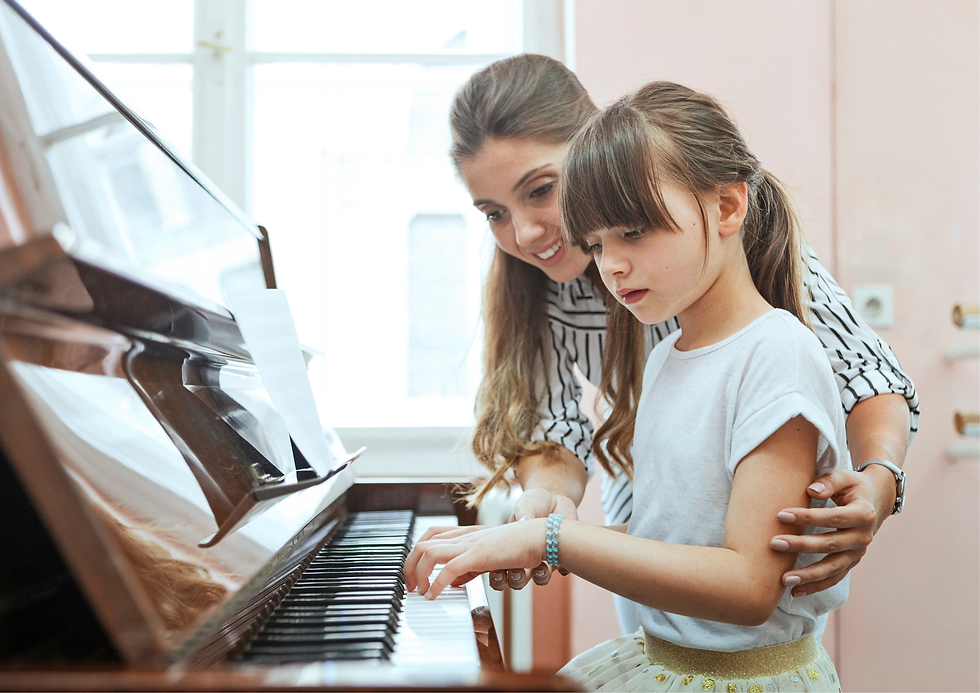
At the piano, mistakes are not failures. They are opportunities. Each wrong note, missed rhythm, or forgotten phrase becomes a chance to learn, adjust, and improve. Over time, children discover that mistakes are simply part of the journey.
Mistakes Are Expected, Not Feared
In piano lessons, mistakes are a normal part of every session. Teachers expect them, plan for them, and use them as teaching moments.
Children quickly learn that no one plays perfectly all the time. Even advanced musicians make mistakes. This understanding removes the fear of being "wrong" and replaces it with curiosity about how to get better.
Many families appreciate our group piano program because teachers create a safe, encouraging environment where mistakes are welcomed as part of learning.
The Power of Trying Again
Piano teaches children that one mistake doesn't define them. They can simply try again.
This simple act of starting over builds resilience. Children learn that setbacks are temporary and that persistence leads to progress. Each time they correct a mistake, they strengthen their belief in their own ability.
Parents in Cedar Park often notice their children becoming more willing to try difficult things after experiencing success through repeated effort.
Mistakes Build Problem-Solving Skills
When a child plays a wrong note, they must figure out why it happened. Was it finger placement? Did they misread the note? Are they rushing?
This process of identifying, analyzing, and correcting mistakes builds critical thinking skills. Children learn to approach challenges with curiosity rather than frustration.
Learning to Stay Calm Under Pressure
Performing in recitals or playing for others can feel nerve-wracking. Mistakes happen more easily when we're nervous.
Piano lessons give children practice staying calm even when things don't go perfectly. They learn to breathe, refocus, and keep going. This composure serves them well in school presentations, sports, and any high-pressure situation.
Parents in Round Rock often see their children handle unexpected challenges with greater ease after learning to stay calm at the piano.
Mistakes Teach Patience
Some mistakes take time to fix. A difficult passage may require weeks of patient practice.
Children learn that not every problem has an immediate solution. They develop the patience to keep working, knowing that improvement comes with time and effort. This patience becomes a lifelong asset.
A Growth Mindset Takes Root
When children learn to view mistakes as part of growth rather than signs of failure, they develop what psychologists call a "growth mindset." They believe that abilities can be developed through effort and practice.
This mindset transforms how they approach challenges in every area of life. They become more willing to take risks, try new things, and persist through difficulties.
For students who benefit from individualized instruction, one-on-one piano lessons can provide the encouragement needed to continue growing with confidence.
As your child continues developing, you can explore our various learning paths to help maintain their enthusiasm for learning.
Frequently Asked Questions
Q: How do piano lessons teach kids to handle mistakes?
A: Piano lessons normalize mistakes as part of learning. Children practice correcting errors, staying calm, and persisting through challenges until they succeed.
Q: What if my child gets frustrated with mistakes?
A: Frustration is normal. Encourage them to take a break, try a different approach, or focus on one small section at a time. Celebrate their effort, not just their results.
Q: How can I help my child handle mistakes at home?
A: Model a positive attitude toward mistakes. Say things like "That's okay, let's try that part again" or "I love how you kept going." Focus on effort and improvement.
Q: Will my child ever stop making mistakes?
A: No. Even professional musicians make mistakes. The goal is not perfection but progress. Each mistake is a step toward becoming a better musician.
Final Thoughts
Understanding How Piano Lessons Teach Kids to Handle Mistakes reminds us that the real gift of music education is not flawless playing but the resilience children develop along the way. Every wrong note becomes a lesson in patience, problem-solving, and courage.
When children learn that mistakes are simply part of growing, they become more confident, more curious, and more willing to keep going. That is a lesson that will serve them well long after they leave the piano bench.
Crystal's Music Philosophy
At Crystal's Music, we believe every child deserves high-quality music education in a welcoming and encouraging environment.
Our programs are designed to help students build confidence, creativity, discipline, and a lifelong appreciation for music through:
Group piano classes for children under age 6
Private piano lessons for students age 6 and older
Student recitals
Piano exam preparation
Experienced instructors
Age-appropriate curriculum
We focus on creating lasting value by helping students enjoy learning while steadily developing their musical skills.
Ready to Learn More?
If you're exploring piano lessons in Cedar Park, we'd love to help you find the right program for your child.
Contact Crystal's Music to schedule a trial lesson and discover which class best fits your child's age, experience, and goals.
If you're ready to learn more, we'd love to help you find the right program for your child.


Comments