
What Piano Teachers Wish Parents Knew (But Won't Say)

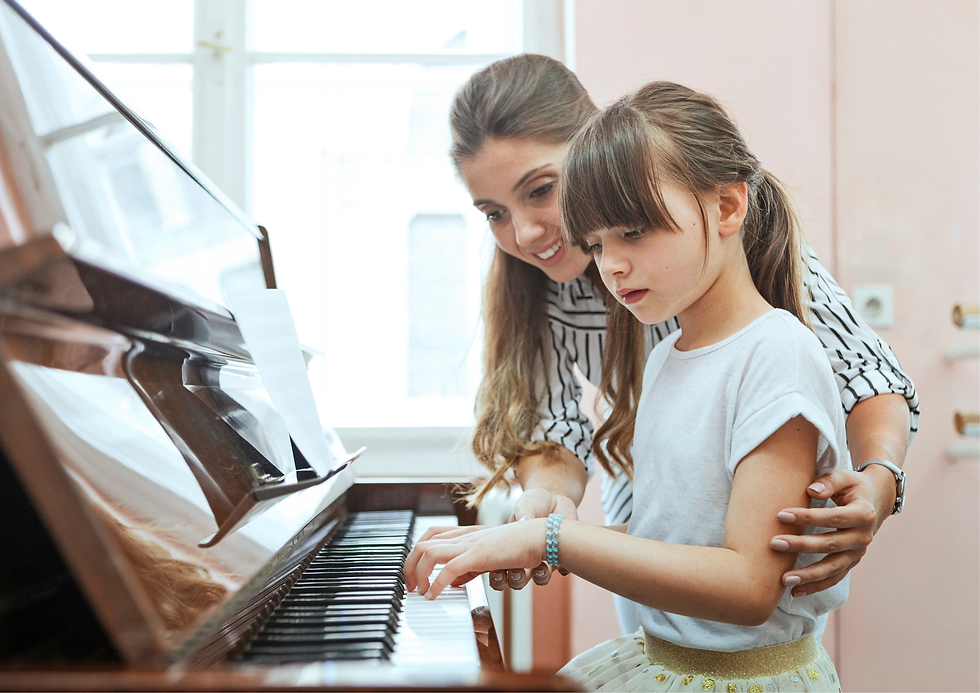
Piano teachers spend hours each week working with children, observing their habits, and watching how parents support, or unintentionally hinder, their progress. Behind every encouraging smile during a lesson, there are honest observations that teachers often hesitate to share.
If you've ever wondered What Piano Teachers Wish Parents Knew, you're not alone. Many parents want to help their children succeed but aren't sure what actually makes a difference.
Parents in Austin often discover that small shifts in their approach can transform their child's entire learning experience.
What Piano Teachers Wish Parents Knew (But Won't Say)

The most successful students don't always have the most natural talent. They have parents who understand a few important truths about the learning process. These are the things teachers notice but rarely say out loud.
Progress Is Not Linear
One of the hardest things for parents to accept is that progress doesn't happen in a straight line.
Some weeks your child will improve dramatically. Other weeks they may seem stuck or even regress. This is normal. Learning an instrument involves plateaus, breakthroughs, and everything in between.
Teachers wish parents understood that a "bad" lesson doesn't mean their child is failing. It means they're human.
Many families appreciate beginner-friendly piano lessons that introduce children to music through encouraging, age-appropriate instruction because teachers focus on long-term growth rather than short-term perfection.
Practice Quality Matters More Than Quantity
Fifteen minutes of focused, intentional practice is far more valuable than an hour of distracted, unfocused playing.
Teachers often notice when a child has been practicing but hasn't been practicing well. Repeating mistakes over and over only reinforces bad habits. Quality practice means playing slowly, correcting errors, and paying attention to details.
Parents in Cedar Park often find that shorter practice sessions with clear goals produce better results than long, unstructured time at the piano.
Your Attitude Shapes Their Attitude
Children are incredibly perceptive. They pick up on your frustration, impatience, or disappointment, even when you think you're hiding it.
If you treat practice like a chore, your child will too. If you show genuine interest in what they're learning, they'll feel more motivated. Your enthusiasm is contagious.
Teachers wish parents knew that their words matter more than they realize. A simple "I noticed you worked hard on that section" goes further than "Why can't you play this perfectly yet?"
It's Okay to Step Back
Some parents try to help too much during practice sessions. Others don't get involved at all. Teachers wish parents knew that the sweet spot is somewhere in the middle.
Being supportive means creating a consistent routine, offering encouragement, and celebrating progress. It does not mean hovering over every note or correcting every mistake. Trust your child's teacher to guide them technically, and trust your child to grow at their own pace.
As your child continues developing, you can explore lesson options that support different learning styles and long-term musical development to help maintain their enthusiasm for learning.
Every Child Is Different
Comparisons between siblings or friends are natural, but they're rarely helpful.
Some children pick up rhythm quickly but struggle with note reading. Others memorize easily but have difficulty with hand coordination. Every student has unique strengths and challenges.
Teachers wish parents knew that their child's journey is their own. Progress should be measured against where they started, not against where someone else is.
Parents in Round Rock often discover that embracing their child's individual pace leads to more joyful and sustainable learning.
The Goal Is Not Perfection
The purpose of piano lessons isn't to create a concert pianist. It's to develop a love for music, build discipline, and gain confidence.
Teachers aren't expecting every student to be a prodigy. They're hoping to see effort, curiosity, and growth. When parents understand this, the pressure lifts for everyone.
For students who benefit from individualized instruction, personalized piano lessons that adapt to each child's pace and learning style can provide the encouragement needed to continue growing with confidence.
Frequently Asked Questions
Q: Why does my child play better at lessons than at home?
A: This is very common. Students often perform better with their teacher's encouragement and guidance. It doesn't mean they're not learning; it means they respond to support.
Q: Should I correct my child during practice?
A: Gentle reminders are fine, but avoid being a second teacher. Let the teacher handle technical corrections. Your role is to encourage and establish routine.
Q: How can I help my child practice without nagging?
A: Create a predictable schedule, make practice part of the daily routine, and show genuine interest in what they're learning. Positive reinforcement works better than reminders.
Q: What if my child doesn't want to practice at all?
A: Talk to the teacher. Sometimes a change in repertoire or approach makes all the difference. Consistency and patience are key.
Final Thoughts
Reading this blog about What Piano Teachers Wish Parents Knew (But Won't Say) can change the way you approach your child's musical education. The most important things aren't about talent or speed; they're about patience, encouragement, and trust in the process.
When parents and teachers work together with the same understanding, children are free to learn, make mistakes, and grow at their own pace. That's when music becomes something they carry with them for life.
Crystal's Music Philosophy
At Crystal's Music, we believe every child deserves high-quality music education in a welcoming and encouraging environment.
Our programs are designed to help students build confidence, creativity, discipline, and a lifelong appreciation for music through:
Group piano classes for children under age 6
Private piano lessons for students age 6 and older
Student recitals
Piano exam preparation
Experienced instructors
Age-appropriate curriculum
We focus on creating lasting value by helping students enjoy learning while steadily developing their musical skills.
Ready to Learn More?
If you're exploring piano lessons in Cedar Park, we'd love to help you find the right program for your child.
Contact Crystal's Music to schedule a trial lesson and discover which class best fits your child's age, experience, and goals.
If you're ready to learn more, we'd love to help you find the right program for your child.


Comments