
What Parents Can Do Before and After Their Child’s Piano Lesson

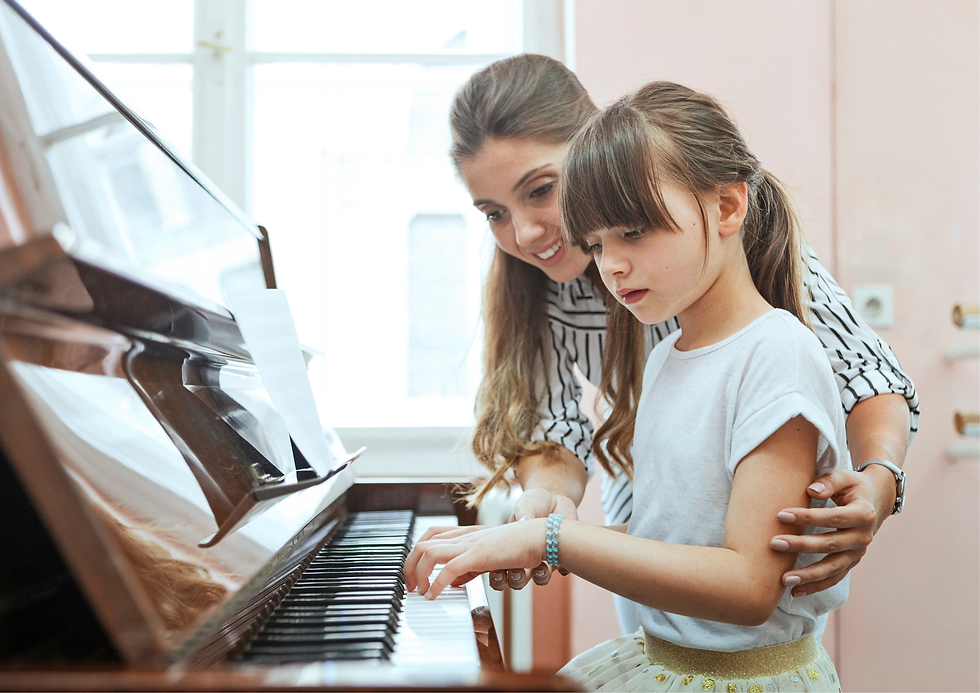
A child’s piano lesson is only one part of their musical learning experience. What happens before and after the lesson can also help children feel prepared, remember what they learned, and stay encouraged as they continue developing their skills.
Parents do not need to become piano teachers at home. Small habits, such as arriving prepared, asking about the lesson, and creating a positive environment for practice, can make a meaningful difference.
Help Your Child Arrive Ready for the Lesson
A little preparation before a piano lesson can help a child feel more comfortable and focused. If possible, give your child enough time to transition from school, activities, or other responsibilities before the lesson begins.
Try to avoid rushing into the studio at the last minute. Having a few quiet minutes beforehand can help your child settle in and get mentally ready to learn.
For younger students especially, keeping the routine predictable can make lessons feel more comfortable. Consistent routines can also help children understand that piano is a regular part of their week.
For families looking for a structured beginning, age-appropriate piano instruction for young learners can provide a supportive environment where children can build foundational skills at a comfortable pace.
Talk About Piano Without Creating Pressure
Before a lesson, parents may naturally want to ask whether their child practiced enough or remembers everything from the previous week. However, too much pressure can make a child feel as though every lesson is a test.
Instead, keep conversations simple and positive.
You might ask:
“Is there anything you’re excited to work on today?”
“What piece have you been enjoying?”
“Is there anything you want to ask your teacher about?”
These questions give children an opportunity to talk about their experience without making them feel that they need to perform for their parents.
The goal is to help your child see piano as a learning experience rather than something they have to get perfect every week.
Make Sure Your Child Has What They Need
Being prepared can make the lesson itself easier. Depending on the child's program, this might mean bringing their lesson materials, music books, assignment notebook, or anything else their teacher has requested.
It can also help to make sure your child knows where their materials are at home. When children gradually learn to take responsibility for their belongings, they begin developing independence alongside their musical skills.
Families can also review the available programs designed to support different stages of musical development to find an approach that fits their child's needs.
After the Lesson, Give Your Child Time to Share

When your child finishes a piano lesson, you may be curious about everything that happened. Instead of immediately asking, “What did you learn?” or “Did you practice everything?” give them a chance to share naturally.
A simple question such as “How was your lesson?” can open the door to conversation.
Your child may talk about a new song, something that was difficult, a fun activity, or something they want to try next. Sometimes they may not want to talk much at all, and that is okay too.
Listening without immediately correcting or evaluating can help children feel that their musical experience belongs to them.
Review the Lesson Instructions Together
After the lesson, take a few minutes to understand what your child has been asked to work on. Younger students may need help remembering instructions, while older children may gradually become more independent.
Parents do not need to teach the material themselves. Instead, you can help your child understand what needs to happen before the next lesson.
For example, you might help them identify:
Which pieces they should work on
Which sections need extra attention
Any new musical concepts they learned
What their teacher would like them to practice
When they can fit piano into their week
This kind of support is especially useful when a child is still learning how to organize their own practice routine.
Create a Comfortable Practice Environment
After a lesson, children benefit from having a consistent place and time where they can play piano. It does not need to be a perfect or completely silent environment. What matters most is having a space where your child can focus without unnecessary distractions.
Parents can help by making piano accessible and by avoiding interruptions when possible.
It is also helpful to remember that practice does not always need to be long to be productive. Following the teacher's guidance and focusing on the assigned goals can be more useful than simply watching the clock.
For students who benefit from a more individualized approach, piano instruction tailored to a student’s pace and abilities can help teachers adjust instruction as the child develops.
Encourage Effort Instead of Perfection
Children will make mistakes while learning piano. They may miss notes, forget part of a piece, struggle with rhythm, or feel frustrated when something does not come easily.
Parents can help by focusing on effort and progress rather than perfection.
Instead of saying, “You played that wrong,” try comments such as:
“That part sounded stronger this time.”
“I noticed you kept trying.”
“You worked through that difficult section.”
“It sounds like you're getting more comfortable with it.”
These small changes in language can help children understand that improvement takes time.
What Parents Can Do Before and After Their Child’s Piano Lesson?
What Parents Can Do Before and After Their Child’s Piano Lesson does not have to involve complicated routines or extensive musical knowledge. The most helpful support often comes from simple actions: helping children arrive prepared, listening to their experiences, understanding their assignments, and giving them space to practice.
Parents are there to support the learning process, while the piano teacher provides the musical instruction. Keeping those roles balanced can help children develop confidence and independence over time.
Frequently Asked Questions
Q: Should parents practice piano with their child?
A: It depends on the child's age and level of independence. Younger children may benefit from a parent helping them remember what to practice, while older students may be ready to manage more of their routine independently.
Q: What should I ask my child after a piano lesson?
A: Keep the conversation relaxed. You can ask how the lesson went, what they enjoyed, or whether anything felt challenging. There is no need to quiz them on everything they learned.
Q: Should I correct my child's playing at home?
A: Unless you have been specifically asked to help with something, it is usually best to let the piano teacher handle musical corrections. Parents can encourage their child and help them follow the teacher's practice instructions.
Q: What if my child does not want to practice after the lesson?
A: Try to understand why. They may be tired, distracted, or unsure about what they should work on. Reviewing the teacher's instructions and creating a manageable routine can help.
Q: How involved should parents be in piano lessons?
A: Parent involvement can change as a child grows. Younger students often need more support with routines and materials, while older students can gradually take greater responsibility for their learning.
Final Thoughts
Parents play an important supporting role in a child's piano journey, but that does not mean they need to oversee every note. Creating a positive routine, listening to your child, and encouraging steady effort can help make piano lessons a rewarding part of their week.
If you are looking for supportive piano instruction for your child, Book a Trial Lesson with Crystal's Music to learn more about the right program for your family.
Crystal's Music Philosophy
At Crystal's Music, we believe every child deserves high-quality music education in a welcoming and encouraging environment.
Our programs are designed to help students build confidence, creativity, discipline, and a lifelong appreciation for music through:
Group piano classes for children under age 6
Private piano lessons for students age 6 and older
Student recitals
Piano exam preparation
Experienced instructors
Age-appropriate curriculum
We focus on creating lasting value by helping students enjoy learning while steadily developing their musical skills.
Ready to Learn More?
If you're exploring piano lessons in Cedar Park, we'd love to help you find the right program for your child.
Contact Crystal's Music to schedule a trial lesson and discover which class best fits your child's age, experience, and goals.
If you're ready to learn more, we'd love to help you find the right program for your child.


Comments