
What Happens During Your Child's First Piano Lesson

Updated: Jul 29
What Happens During Your Child's First Piano Lesson and Why It Matters
Starting piano lessons is an exciting milestone for both children and parents. Along with the excitement, it's completely natural to have questions. Will my child be nervous? What will they learn first? Do they need to know anything before they arrive?
If you've been wondering what happens during your child's first piano lesson, you're not alone. Many parents want to make sure their child feels comfortable and prepared before stepping into the studio for the first time.
The good news is that a first lesson isn't about playing complicated songs. It's about helping children feel welcome, building confidence, and creating a positive experience that makes them excited to come back.
A Warm Welcome Makes All the Difference
Every child walks into their first lesson with a different personality.
Some can't wait to sit at the piano, while others may be a little shy or unsure of what to expect.
A great first lesson begins by helping children feel relaxed. Instead of rushing straight into learning music, teachers often spend a few minutes getting to know the student, asking about their interests, and making sure they feel comfortable in their new environment.
When children feel safe and supported, they're much more open to learning.
Getting to Know the Piano
For many beginners, this may be the first time they've explored a piano up close.
During the lesson, children are introduced to the keyboard in a fun and age-appropriate way. They'll begin recognizing groups of black and white keys, learning simple musical patterns, and understanding how different sounds are created.
There's no pressure to memorize everything right away. The goal is simply to spark curiosity and make the instrument feel familiar.
Learning Through Fun Activities
Young children learn best when they're actively involved.
Instead of spending the entire lesson reading music, teachers often include games, rhythm activities, listening exercises, and simple musical challenges that keep students engaged.
These activities help children develop important musical skills while making learning enjoyable.
Families often notice that children gain confidence more quickly when they begin in a welcoming environment where lessons are designed especially for young beginners.
Playing Their First Notes
One of the most exciting moments is hearing those very first notes.
Children usually learn a simple exercise or short melody before the lesson ends. While it may only use a few keys, it gives students a sense of accomplishment and shows them that making music is something they can do.
That feeling of success often becomes the motivation to keep learning.
Parents Play an Important Role
Parents don't need any musical experience to support their child.
Simply showing interest, asking what they learned, and celebrating small accomplishments can make a big difference.
Children who feel encouraged at home are often more confident during lessons and more willing to practice between classes.
What Happens After the First Lesson?
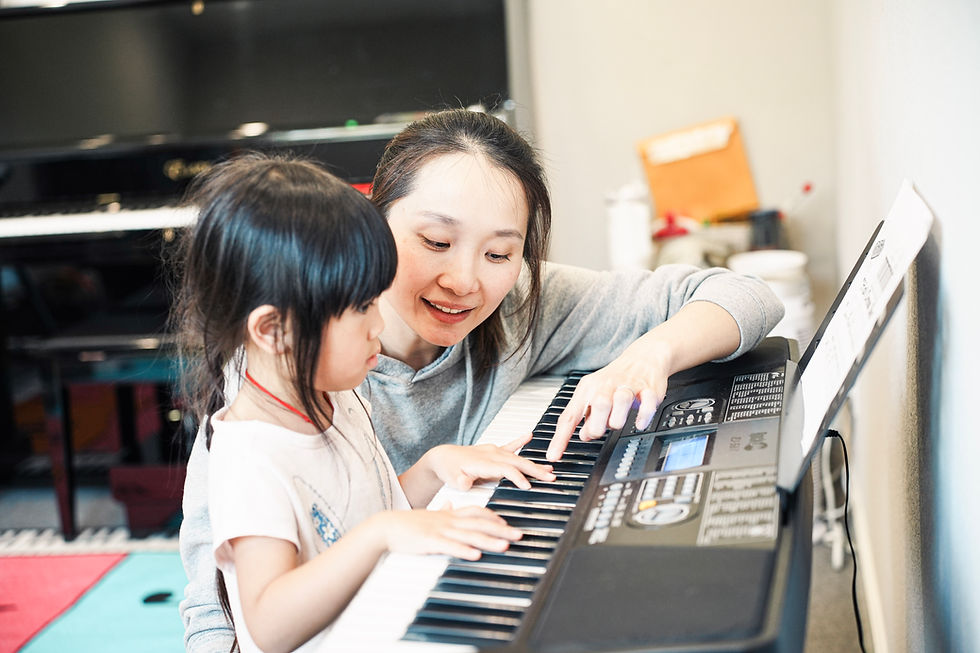
The first lesson is only the beginning.
As children become more comfortable, they'll gradually learn note reading, rhythm, hand coordination, and songs that match their ability.
Every lesson builds on the previous one, allowing students to develop confidence one step at a time.
As your child continues growing, you may wish to explore different lesson paths that support their interests and learning style to ensure they continue enjoying music as their skills develop.
Every Child Learns at Their Own Pace
One of the most important things to remember is that children learn differently.
Some students pick up new concepts quickly, while others prefer taking more time.
Neither approach is better.
The right teacher recognizes each child's unique strengths and adjusts lessons accordingly.
For children who benefit from additional attention, personalized lessons that move at their own pace can provide the confidence and support they need to succeed.
Frequently Asked Questions
Q: Does my child need experience before the first lesson?
A: No. Most children begin with little or no musical experience. First lessons are designed specifically for beginners.
Q: What should my child bring?
A: Your teacher will let you know if any materials are needed. Most beginners simply need a positive attitude and a willingness to learn.
Q: Will my child play the piano during the first lesson?
A: Yes. Most students have the opportunity to play simple notes or short exercises during their very first lesson.
Q: What if my child is nervous?
A: Feeling nervous is completely normal. Experienced teachers know how to create a welcoming environment that helps children feel comfortable and enjoy learning from the very beginning.
Final Thoughts
A first piano lesson isn't about perfection—it's about building confidence and creating a positive first impression.
When children leave feeling successful and excited, they're much more likely to look forward to their next lesson and continue developing a lifelong love of music.
At Crystal's Music, we believe every child's musical journey should begin with encouragement, patience, and joy. We look forward to helping your family take that exciting first step.
Crystal's Music Philosophy
At Crystal's Music, we believe every child deserves high-quality music education in a welcoming and encouraging environment.
Our programs are designed to help students build confidence, creativity, discipline, and a lifelong appreciation for music through:
Group piano classes for children under age 6
Private piano lessons for students age 6 and older
Student recitals
Piano exam preparation
Experienced instructors
Age-appropriate curriculum
We focus on creating lasting value by helping students enjoy learning while steadily developing their musical skills.
Ready to Learn More?
If you're exploring piano lessons in Cedar Park, we'd love to help you find the right program for your child.
Contact Crystal's Music to schedule a trial lesson and discover which class best fits your child's age, experience, and goals.
If you're ready to learn more, we'd love to help you find the right program for your child.
Continue exploring our latest insights, expert tips, and practical guides to help you make informed decisions.


Comments